
Home / Blog / In-Vitro Fertilization /
Home > Blog > Sperm Donation > Article
In-Vitro Fertilization Made Simple: A Beginner’s Guide
In vitro fertilization (IVF) can seem complicated at first, but it doesn’t have to be. This guide simplifies the process, helping individuals, couples, and donors understand how IVF works, what to expect at each stage, and how it can help build families. At Luxe IVF, we provide clear guidance, expert care, and personalized support for everyone involved in the IVF journey.
At Luxe IVF, we provide guidance to intended parents and donors alike, combining expert medical care, personalized support, and transparent communication. This article explains the fundamentals of IVF and what you can expect along the way.
What is IVF?

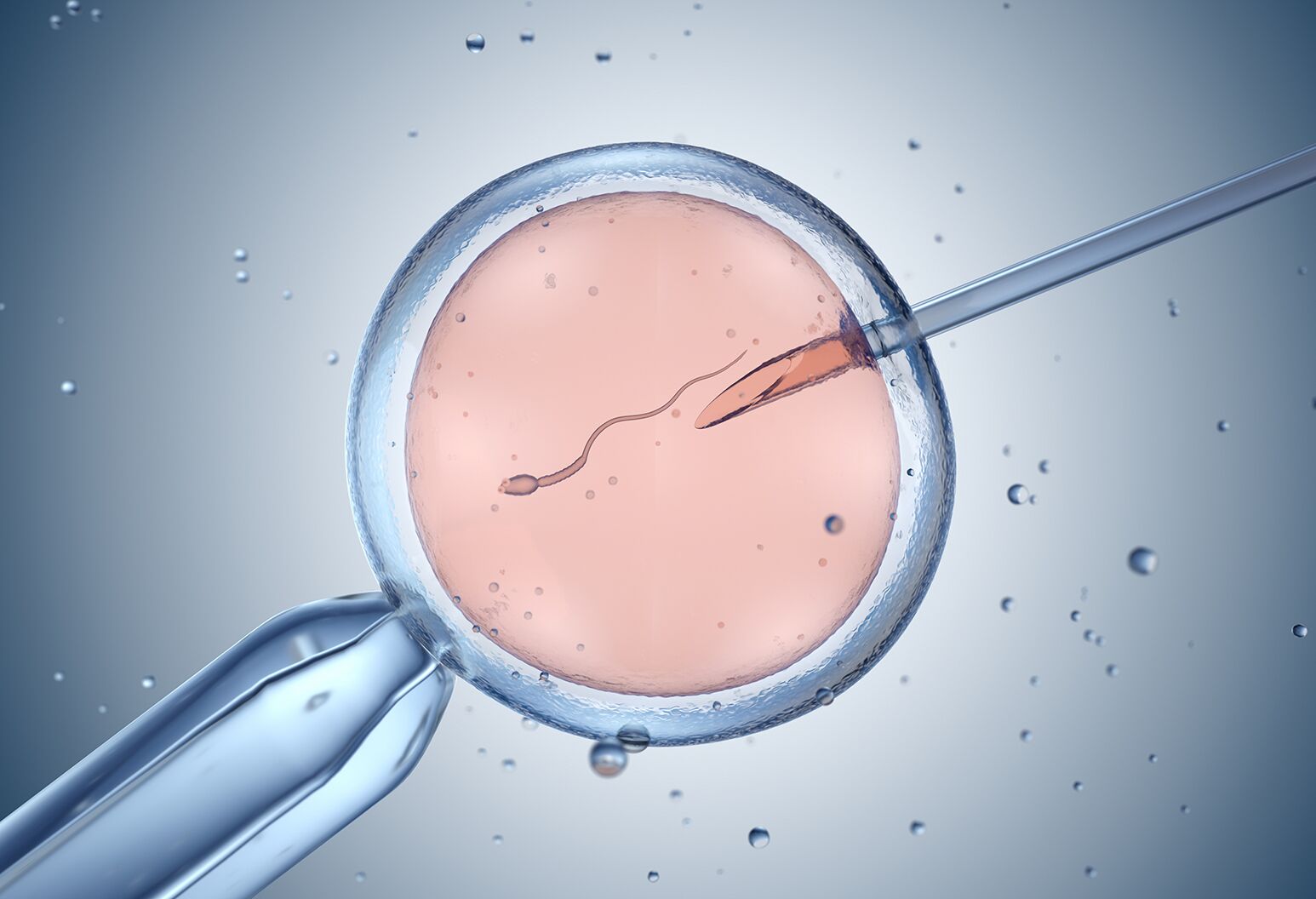
IVF is a form of assisted reproductive technology (ART) that fertilizes an egg with sperm outside the body in a controlled laboratory environment. Once an embryo develops, a fertility specialist transfers it to the uterus to achieve pregnancy.
In vitro fertilization has become an increasingly prominent topic in national conversations about healthcare and family building. Recent policy discussions have brought renewed attention to how future regulations and public support may shape IVF access, including former President Trump’s latest statements and proposed fertility legislation. As medical innovation and public policy continue to intersect, understanding both the clinical and legal landscape is more important than ever. For a deeper look at how these developments may impact IVF in the United States, we explore this topic in greater detail in our related article What President Trump’s Latest IVF Announcement Means for Intended Parents.
IVF is commonly used in cases such as:
- Blocked or damaged fallopian tubes
- Male factor infertility, including low sperm count or motility issues
- Ovulation disorders or diminished ovarian reserve
- Endometriosis
- Unexplained infertility
- Fertility preservation through egg or embryo freezing
By providing precise control over fertilization and embryo development, IVF increases the chances of conception, even in complex fertility scenarios.
The IVF Process: An Overview
While each IVF journey is unique, the process generally includes several key stages:
- Ovarian Stimulation
Hormonal medications are used to stimulate the ovaries to produce multiple eggs. This increases the likelihood of successful fertilization and embryo development. Clinicians closely monitor patients with ultrasounds and blood tests to track follicle growth and hormone levels. - Egg Retrieval
Once the eggs are mature, they are retrieved in a minimally invasive outpatient procedure under light anesthesia. Most patients return home the same day. - Fertilization and Embryo Culture
Eggs are fertilized with sperm, either from the intended parent or a donor, in a laboratory. Embryologists monitor embryo development over several days, ensuring healthy growth. Some intended parents and donors choose to perform genetic testing, such as PGT-A, to screen embryos for chromosomal abnormalities. - Embryo Transfer
The healthiest embryo(s) are selected for transfer to the uterus. This procedure is typically simple and outpatient, allowing most patients to resume normal activities shortly afterward. Any remaining viable embryos can be cryopreserved for future use. - Pregnancy and Follow-Up
Blood tests confirm whether implantation was successful, and ongoing monitoring ensures a healthy early pregnancy. Success rates vary depending on factors such as age, egg or sperm quality, and overall reproductive health.
Who Can Benefit From IVF?
IVF is a flexible fertility option that can support a wide variety of family-building scenarios:
- Heterosexual couples experiencing infertility
- Same-sex couples seeking biological connections through donor eggs or sperm
- Single individuals looking to conceive using donor gametes
- Individuals preserving fertility for medical or personal reasons
This treatment also provides the option to incorporate donor eggs, donor sperm, or gestational surrogacy, offering flexibility to meet diverse family-building goals.

IVF Success Factors
Several factors can influence IVF outcomes, including:
- Age of the egg or sperm provider (younger gametes generally yield higher success rates)
- Embryo quality and genetic health
- Underlying fertility conditions
- Lifestyle factors such as diet, stress management, and overall health
Your fertility team works closely with you to monitor and optimize these factors throughout the IVF journey.
Partnering with Luxe IVF
SeAt Luxe IVF, we combine advanced reproductive technology with compassionate care to make the IVF journey as smooth and supported as possible. From initial consultations to egg retrieval, fertilization, embryo transfer, and follow-up, our team guides intended parents and donors through every step.
Whether you’re exploring IVF for the first time or considering advanced options like donor gametes or genetic testing, Luxe IVF provides clarity, support, and expertise throughout your fertility journey.
Key Takeaways
- IVF is a safe and effective form of assisted reproductive technology that can help a wide range of individuals and couples build their families.
- Understanding each stage—ovarian stimulation, egg retrieval, fertilization, embryo transfer, and follow-up—helps you feel prepared and empowered.
- IVF success depends on multiple factors, including age, embryo quality, and overall health.
- Working with a knowledgeable team like Luxe IVF ensures medical coordination, legal clarity, and emotional support throughout the journey.
If you’re ready to learn more about IVF or start your path to parenthood, contact us today to schedule a consultation and explore your options.

Author: Luxe IVF
Share this article, choose your social platform!

Share this article, choose your social platform!
Related Articles

Is It Too Late to Freeze Your Eggs? Understanding Age and Outcomes
Egg freezing has become an empowering option for…
Egg Freezing vs. Embryo Freezing: Which Option is Right for You?
Advances in reproductive medicine have made it possible…

Fertility Medications 101: Most Commonly Used Fertility Drugs for Women
Wouldn’t it be nice if there were a…

Why Women Are Choosing Egg Freezing in Their 20s and 30s
In recent years, egg freezing has become an…
What President Trump’s Latest IVF Announcement Means for Intended Parents
This week, the White House introduced a major…
Related Articles
Is It Too Late to Freeze Your Eggs? Understanding Age and Outcomes
Egg freezing has become an empowering option for women who want greater control over their reproductive timelines—but one of the…
Egg Freezing vs. Embryo Freezing: Which Option is Right for You?
Advances in reproductive medicine have made it possible to preserve fertility with more flexibility than ever before. Whether you’re planning…
Fertility Medications 101: Most Commonly Used Fertility Drugs for Women
Wouldn’t it be nice if there were a magic pill for intended parents that could instantly lead to a baby?…
Why Women Are Choosing Egg Freezing in Their 20s and 30s
In recent years, egg freezing has become an increasingly common option for women who want greater control over their reproductive…
What President Trump’s Latest IVF Announcement Means for Intended Parents
This week, the White House introduced a major effort to make in vitro fertilization (IVF) more affordable and accessible for…