Home / Blog / Sperm Donation /

Home > Blog > Sperm Donation > Article
Sperm Donation: Legal Rights and Responsibilities of Donors
Choosing to become a sperm donor is a meaningful decision—one that can help individuals and families achieve their dreams of parenthood. Along with the medical and personal aspects of donation, it’s essential for donors to understand the legal rights and responsibilities that come with the process. Clear legal protections are what allow sperm donation to remain ethical, secure, and empowering for everyone involved.
This guide explains the legal framework surrounding sperm donation, what donors can expect, and how agencies like Luxe IVF ensure donors are fully protected at every stage of the journey.
Why Legal Protections Matter in Sperm Donation
Sperm donation involves more than providing a biological sample—it intersects with family law, reproductive rights, and long-term considerations for both donors and intended parents. Legal agreements exist to eliminate uncertainty and clearly define roles before any donation takes place.
For donors, these protections ensure that your contribution remains exactly what you intend it to be: a gift that helps build families, without creating unexpected legal or financial obligations in the future.
Parental Rights and Legal Non-Parent Status
One of the most important legal protections for sperm donors is the clear establishment of non-parental status. Under U.S. law, when sperm donation occurs through a licensed fertility clinic and is governed by proper legal agreements, donors are not considered legal parents of any resulting children.
This means sperm donors do not have:
- Custody or visitation rights
- Parental decision-making authority
- Financial obligations such as child support
Likewise, donors cannot be held legally responsible for a child conceived using their sperm. These protections provide peace of mind and allow donors to participate confidently in the process.

Donor Agreements and Legal Documentation
Before any sperm is collected or used, donors review and sign formal legal agreements. These documents are designed to protect all parties and outline expectations clearly and transparently.
Sperm donor agreements typically address:
- Confirmation of non-parental status
- Confidentiality and anonymity terms
- Limits on future contact, if applicable
- Compensation structure
- Use and storage of donated sperm
- Compliance with state and federal regulations
At Luxe IVF, donors are encouraged to review agreements carefully and ask questions before signing, ensuring they feel fully informed and comfortable moving forward.
Anonymity, Identity, and Future Contact
Sperm donors may choose different levels of anonymity, depending on personal preference and program options. These preferences are documented legally to avoid confusion or misaligned expectations later on.
Common donor identity options include:
- Anonymous donation – where identifying information is not shared with intended parents or future children
- Limited disclosure – where non-identifying background information may be shared
- Open or identity-release donation – where a child may request identifying information once they reach adulthood
- Known or directed donation – where the donor is someone the intended parents already know, such as a friend or relative, and all expectations and boundaries are clearly defined through legal agreements
Even in known or directed donation arrangements, formal legal contracts are essential to clearly establish parental rights, responsibilities, and expectations—protecting both the donor and the intended parents long before treatment begins.

Legal Responsibilities of Sperm Donors
While sperm donors are protected from parental obligations, they do have legal health responsibilities during the donation process itself. These responsibilities help maintain safety, compliance, and ethical standards across reproductive medicine.
Donor responsibilities include:
- Providing accurate medical and family history
- Completing required medical, genetic, and psychological screenings
- Following clinic guidelines and abstinence requirements
- Attending post-quarantine bloodwork, as required by the FDA
By fulfilling these responsibilities, donors help ensure that their contribution is safe and suitable for use by intended parents.
FDA Regulations and Compliance
Sperm donation in the United States is regulated by the Food and Drug Administration (FDA). These regulations are designed to protect recipients and future children by minimizing health risks.
FDA requirements include:
- Initial infectious disease screening
- Semen analysis and quality testing
- A six-month quarantine period for frozen sperm
- Follow-up bloodwork before release for use
Compliance with these regulations is mandatory and plays a crucial role in safeguarding both donors and families.
Limits on Family Matches
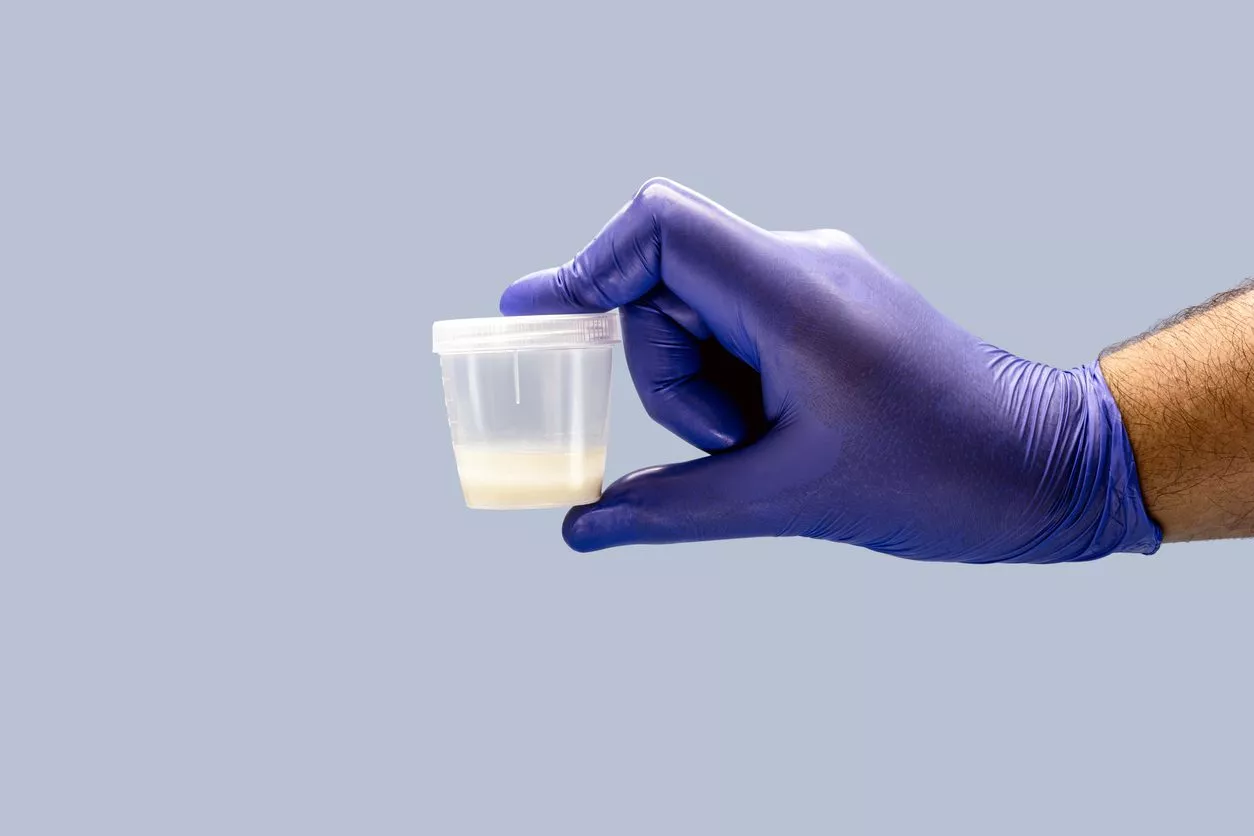
To prevent consanguinity and uphold ASRM ethical standards, reputable agencies place limits on how many families a single donor may assist. Luxe IVF carefully monitors and enforces these limits while allowing donors to have a voice in how many families they wish to help.
These limits protect donors, recipients, and future children while ensuring responsible and transparent use of donated sperm.
How Luxe IVF Protects Sperm Donors
At Luxe IVF, donor protection is a priority—not an afterthought. Legal safeguards are integrated into every step of the sperm donation process, ensuring donors feel confident, respected, and supported.
Our team provides:
- Clear donor agreements with defined legal protections
- Transparent communication around rights and responsibilities
- Ethical matching and family limits
- Coordination with clinics and legal professionals
- Ongoing support throughout and after donation
By prioritizing clarity and professionalism, we create a donation experience built on trust and peace of mind.
Making an Informed Decision
Understanding the legal rights and responsibilities of sperm donors allows you to move forward with confidence and clarity. With proper safeguards in place, sperm donation remains a secure and meaningful way to make a lasting impact—without unexpected obligations or uncertainty.
If you’re considering becoming a sperm donor and want to learn more about how Luxe IVF protects and supports donors, contact us today. Our team is here to answer your questions, walk you through the process, and help you determine whether sperm donation is the right choice for you.
Intended Parents
Donors
Become a Sperm Donor
Find a Sperm Donor
Sperm Donor FAQ

Author: Luxe IVF
Share this article, choose your social platform!

Share this article, choose your social platform!
Related Articles

Sperm Donation Health Requirements: Tests, Screenings, and Safety
Becoming a sperm donor is a meaningful way…
Fresh vs. Frozen Sperm: Which Option Fits your Treatment Plan?
When beginning fertility treatment, one of the first…

Want to Become a Sperm Donor? Everything You Need to Know
What can you expect when becoming a sperm…
Related Articles
Sperm Donation Health Requirements: Tests, Screenings, and Safety
Becoming a sperm donor is a meaningful way to help individuals and families build their futures. While the process is…
Fresh vs. Frozen Sperm: Which Option Fits your Treatment Plan?
When beginning fertility treatment, one of the first decisions you may face is choosing between fresh or frozen sperm. Although…
Want to Become a Sperm Donor? Everything You Need to Know
What can you expect when becoming a sperm donor? Becoming a sperm donor is a generous and meaningful way to…