Home / Blog / Sperm Donation /

Home > Blog > Sperm Donation > Article
Sperm Donation Health Requirements: Tests, Screenings, and Safety
Becoming a sperm donor is a meaningful way to help individuals and families build their futures. While the process is straightforward, it is also carefully regulated to ensure the safety of intended parents, future children, and donors themselves. That’s why comprehensive health screenings are a critical part of sperm donation.
At Luxe IVF, sperm donation is guided by strict FDA regulations and the professional guidelines of the American Society for Reproductive Medicine (ASRM), ensuring safety, quality, and ethical care for donors and the families they help create. Here’s what to expect from the health screening process when becoming a sperm donor.
Why Health Screenings Matter
Sperm donation is governed by strict medical and FDA guidelines designed to protect everyone involved. Health screenings help ensure that donated sperm is safe, high quality, and suitable for use in fertility treatment. These evaluations also safeguard donors by identifying potential health concerns early.
Through thorough screening, Luxe IVF ensures:
- Transparency and confidence throughout the donation process
- Compliance with FDA and ASRM guidelines
- Reduced risk of genetic or infectious disease transmission
- High-quality samples for intended parents
1. Initial Eligibility Review
The screening process begins with an initial application review. Luxe IVF evaluates factors such as:
- Personal and family medical history
- Education and background information
- Lifestyle habits, including smoking and drug use
- Overall eligibility based on program standards
This early review helps determine whether a candidate can safely move forward in the donor process before undergoing medical testing.
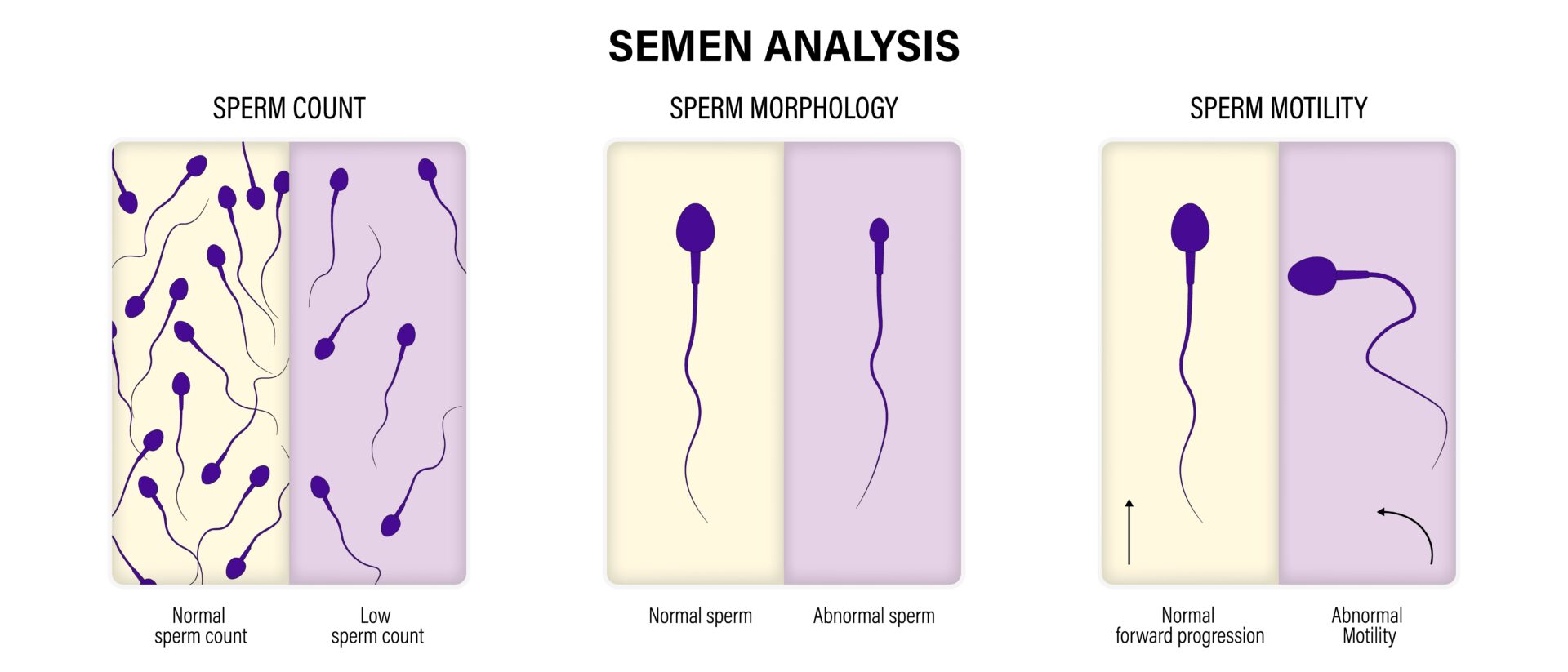
2. Semen Analysis
One of the first medical steps is a semen analysis, performed at one of Luxe IVF’s trusted partner clinics. This test evaluates the quality of the sperm sample by examining:
- Sperm count
- Motility (movement)
- Morphology (shape and structure)
Only donors whose samples meet strict quality benchmarks can continue in the program. This step ensures that donated sperm has strong potential for successful fertilization.
3. Medical and Infectious Disease Screening
All sperm donors complete comprehensive medical testing to comply with FDA requirements and ASRM best practices. This includes blood and urine testing to screen for infectious diseases such as:
- HIV
- Hepatitis B and C
- Syphilis
- Other required infectious markers
Donors also undergo a general medical evaluation to confirm overall health and fitness for donation. These screenings protect intended parents and ensure donated samples meet the highest safety standards.
4. Genetic Carrier Screening
Genetic screening plays a crucial role in sperm donation. and is recommended under ASRM guidelines to support safe and responsible family building. Donors complete genetic carrier testing to identify whether they carry genes for inherited conditions. While being a carrier does not automatically disqualify a donor, transparency allows intended parents and fertility clinics to make informed decisions.
This step supports responsible family-building and reduces the risk of passing on serious genetic conditions.
5. Psychological Evaluation
Psychological evaluations are also a key element of ASRM guidance for sperm donation and other forms of third-party reproduction. These assessments help ensure donors fully understand the emotional, ethical, and long-term implications of donation.
This evaluation helps confirm that donors:
- Understand the emotional and ethical aspects of donation
- Feel comfortable with anonymity or future contact options
- Are mentally prepared for the responsibilities involved
Psychological screening ensures donors enter the process with clarity, confidence, and informed consent.

6. Lifestyle Requirements and Ongoing Testing
To maintain eligibility, donors must follow specific lifestyle guidelines throughout the donation process. These include:
- Complete abstinence from smoking and drug use
- Limited or no alcohol consumption
- Adhering to abstinence periods before each donation
Luxe IVF may also conduct periodic testing to ensure continued compliance with program standards and FDA regulations.
7. Post-Quarantine Bloodwork
FDA regulations require sperm samples to undergo a quarantine period. Six months after a donor’s final collection, donors return for follow-up bloodwork. This final screening confirms that no infectious diseases developed during the quarantine window.
Once cleared, sperm samples can be released for use by intended parents. This additional safeguard ensures the highest level of safety and compliance.
A Carefully Guided Process at Luxe IVF
At Luxe IVF, we manage every aspect of the screening process with professionalism, discretion, and care. Our team coordinates all appointments, explains every requirement clearly, and supports donors at each stage of the journey.
Health screenings are not meant to be intimidating—they exist to protect donors, intended parents, and future families. By maintaining high standards, Luxe IVF ensures sperm donation remains a safe, ethical, and impactful experience.
Ready to Take the Next Step?
If you’re considering becoming a sperm donor, the first step is completing the Luxe IVF online application. Our team will guide you through eligibility review, health screenings, and the full donation process with transparency and support. You can also check out our other article Want to Become a Sperm Donor? Everything You Need to Know for general information on the sperm donation process.
Contact us today to learn more about sperm donation and how your contribution can help create families for years to come.
Intended Parents
Donors
Become a Sperm Donor
Find a Sperm Donor
Sperm Donor FAQ

Author: Luxe IVF
Share this article, choose your social platform!

Share this article, choose your social platform!
Related Articles

Sperm Donation: Legal Rights and Responsibilities of Donors
Choosing to become a sperm donor is a…
Fresh vs. Frozen Sperm: Which Option Fits your Treatment Plan?
When beginning fertility treatment, one of the first…

Want to Become a Sperm Donor? Everything You Need to Know
What can you expect when becoming a sperm…
Related Articles
Sperm Donation: Legal Rights and Responsibilities of Donors
Choosing to become a sperm donor is a meaningful decision—one that can help individuals and families achieve their dreams of…
Fresh vs. Frozen Sperm: Which Option Fits your Treatment Plan?
When beginning fertility treatment, one of the first decisions you may face is choosing between fresh or frozen sperm. Although…
Want to Become a Sperm Donor? Everything You Need to Know
What can you expect when becoming a sperm donor? Becoming a sperm donor is a generous and meaningful way to…