
Home / Blog / In-Vitro Fertilization /

Home > Blog > Sperm Donation > Article
Fertility Medications 101: Most Commonly Used Fertility Drugs for Women
Wouldn’t it be nice if there were a magic pill for intended parents that could instantly lead to a baby? While science hasn’t quite gotten us there, fertility medicine has come remarkably close — offering a range of medications designed to support ovulation, regulate hormones, and improve the chances of conception.
The right fertility drug (or combination of drugs) depends entirely on your individual diagnosis. Before prescribing anything, your fertility specialist will run comprehensive tests to identify the underlying cause of infertility — or confirm that it’s “unexplained.” This personalized insight helps your doctor design a treatment plan tailored to your body’s needs.
Let’s take a closer look at the most common fertility medications and how they can help set the stage for pregnancy or for egg donation.
Ovulation-Stimulating Medications
Sometimes the body simply needs a gentle nudge to release an egg — and that’s where ovulation-inducing medications come in.
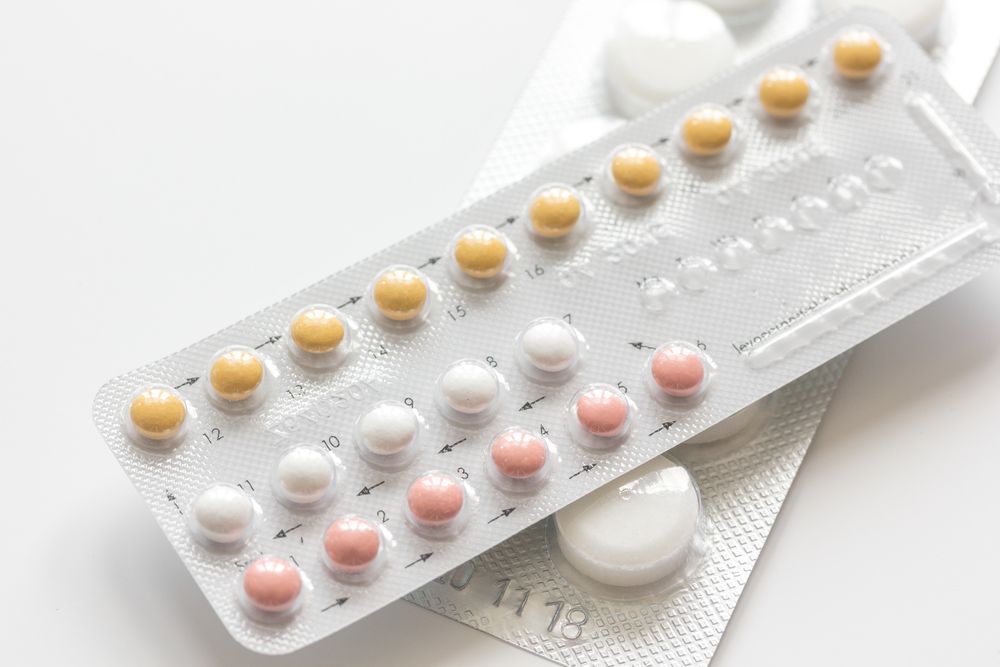
CLOMID (Clomiphene Citrate)
Clomid works by blocking estrogen receptors, triggering the brain to release FSH (follicle-stimulating hormone) — the signal that tells your ovaries to start maturing eggs.
- When it’s used: For those with irregular ovulation, PCOS, unexplained infertility, or during IUI cycles.
- How it’s taken: Typically a 50 mg tablet taken for five days early in the menstrual cycle.
- Possible side effects: Hot flashes, bloating, mood changes, headaches, or, rarely, vision issues. There’s also a slightly increased chance of twins.
FEMARA (Letrozole)
Originally developed for breast cancer treatment, Femara has become a popular alternative to Clomid. It lowers estrogen levels, prompting the release of FSH.
- When it’s used: Similar to Clomid, especially for those who didn’t respond well to it or experienced side effects.
- How it’s taken: Usually a 2.5 mg tablet once a day for five days, starting on cycle day three.
- Possible side effects: Fatigue, headaches, mild weight gain, or muscle aches — typically milder than those associated with Clomid.
METFORMIN
For patients with PCOS, insulin resistance can interfere with ovulation. Metformin, often used to treat diabetes, helps regulate insulin levels — which can, in turn, promote regular ovulation.
- When it’s used: For those with PCOS and insulin resistance, sometimes in combination with Clomid.
- How it’s taken: Oral tablets taken once or twice daily, depending on the dose and type.
- Possible side effects: Stomach discomfort, nausea, or diarrhea, especially when starting treatment.
Injectable Fertility Medications
For those preparing for IVF or who need stronger stimulation, injectable hormones may be prescribed. These injections, which are known as Gonadotropins, carry a small risk of conceiving multiples and they also pose the risk of developing ovarian hyperstimulation syndrome (OHSS).

FSH (follice-stimulating hormone)
Also known as Gonal-F, Follistim, and Bravelle. These injections directly stimulate the ovaries to produce multiple mature eggs in one cycle.
- When it’s used: For IVF, egg retrieval, or in cases where oral medications haven’t worked. To hopefully get the ovaries on their egg-developing way.
- How it’s taken: Self-administered injection probably once a day for around 10 days.
- Possible side effects: Mood swings, headaches, bloating, or mild discomfort. There’s also a risk of ovarian hyperstimulation syndrome (OHSS) and increased risk of ovarian cancer.
hMG (human menopausal gonadotropin)
A combination of FSH and LH, hMG helps the ovaries release more than one egg per cycle. These injections are known as Menopur and Repronex.
- When it’s used: For IVF.
- How it’s taken: Self-administered injection probably once daily for several days.
- Possible side effects: Similar to FSH injections — mood swings, headaches, mild bloating or mood changes, and possible increased risk of ovarian cancer.
hCG (human chorionic gonadotropin)
Commonly known as Ovidrel, Pregnyl, and Novarel, they are considered the “trigger shot,” hCG helps eggs reach final maturity and prepares them for release.
- When it’s used: To time ovulation precisely for IUI or egg retrieval.
- How it’s taken: Delivered as an injection under the skin or into a muscle, with your doctor guiding you on the exact timing based on your hormone levels. Once administered, you’ll be instructed to time intercourse—or an IUI procedure—to coincide with your expected ovulation window.
- Possible side effects: Indigestion, stomach pain, cramping, nausea, diarrhea, vomiting, bloating, shortness of breath, weight gain, or temporary tenderness.
Treating Hormonal Imbalances – Prolactin-Lowering Drugs

BROMOCRIPTINE
Blocks the release of prolactin to help ovulation. Commonly known as Cycloset and Parlodel.
- When it’s used: If your body is over-producing prolactin and hindering ovulation.
- How it’s taken: May be taken in a capsule or tablet, usually 2-3 times daily.
- Possible side effects: Headache, vomiting, stuffy nose, dizziness or nausea. Can also cause blood pressure to lower.
CABERGOLINE
Blocks the release of prolactin to help ovulation. Commonly known as Dostinex.
- When it’s used: If your body is over-producing prolactin and hindering ovulation. Although Bromocriptine is considered the best for blocking prolactin, some doctors will prescribe Dostinex as it tends to have less side effects and doesn’t need to be taken as often.
- How it’s taken: Tablet that is taken twice a week.
- Possible side effects: Constipation, headache, dizziness or nausea.
Other Medications You Might Encounter
Depending on your medical history, your doctor may also recommend:
- Low-dose aspirin: To reduce inflammation and improve uterine blood flow.
- Heparin or Lovenox: To help prevent blood clotting and improve implantation.
- Progesterone: To support early pregnancy, often given after ovulation or embryo transfer.
- Estrogen: To help build a thicker uterine lining or regulate cycles.
- Leuprolide (Lupron): To manage endometriosis or control hormone levels during IVF.
The Bottom Line
Fertility medications are not a one-size-fits-all solution — and that’s a good thing. Finding the right protocol often involves some trial and adjustment, guided by your doctor’s expertise and your body’s unique response. The most important step? Stay open, stay informed, and keep your care team updated on how you’re feeling throughout the process. Dont forget to check our article on Trump’s fertility plan for what medications are going to be discounted to help expand access to IVF!
Because while there may not be a “magic pill,” today’s fertility treatments are helping more people than ever turn the dream of parenthood into reality. Contact us today to start your journey.
Information for Intended Parents
Find an Egg Donor
Find a Sperm Donor
Find a Surrogate
Intended Parents FAQ

Author: Luxe IVF
Share this article, choose your social platform!

Share this article, choose your social platform!
Related Articles

Is It Too Late to Freeze Your Eggs? Understanding Age and Outcomes
Egg freezing has become an empowering option for…

In-Vitro Fertilization Made Simple: A Beginner’s Guide
In vitro fertilization (IVF) can seem complicated at…
Egg Freezing vs. Embryo Freezing: Which Option is Right for You?
Advances in reproductive medicine have made it possible…

Why Women Are Choosing Egg Freezing in Their 20s and 30s
In recent years, egg freezing has become an…
What President Trump’s Latest IVF Announcement Means for Intended Parents
This week, the White House introduced a major…
Related Articles
Is It Too Late to Freeze Your Eggs? Understanding Age and Outcomes
Egg freezing has become an empowering option for women who want greater control over their reproductive timelines—but one of the…
In-Vitro Fertilization Made Simple: A Beginner’s Guide
In vitro fertilization (IVF) can seem complicated at first, but it doesn’t have to be. This guide simplifies the process,…
Egg Freezing vs. Embryo Freezing: Which Option is Right for You?
Advances in reproductive medicine have made it possible to preserve fertility with more flexibility than ever before. Whether you’re planning…
Why Women Are Choosing Egg Freezing in Their 20s and 30s
In recent years, egg freezing has become an increasingly common option for women who want greater control over their reproductive…
What President Trump’s Latest IVF Announcement Means for Intended Parents
This week, the White House introduced a major effort to make in vitro fertilization (IVF) more affordable and accessible for…